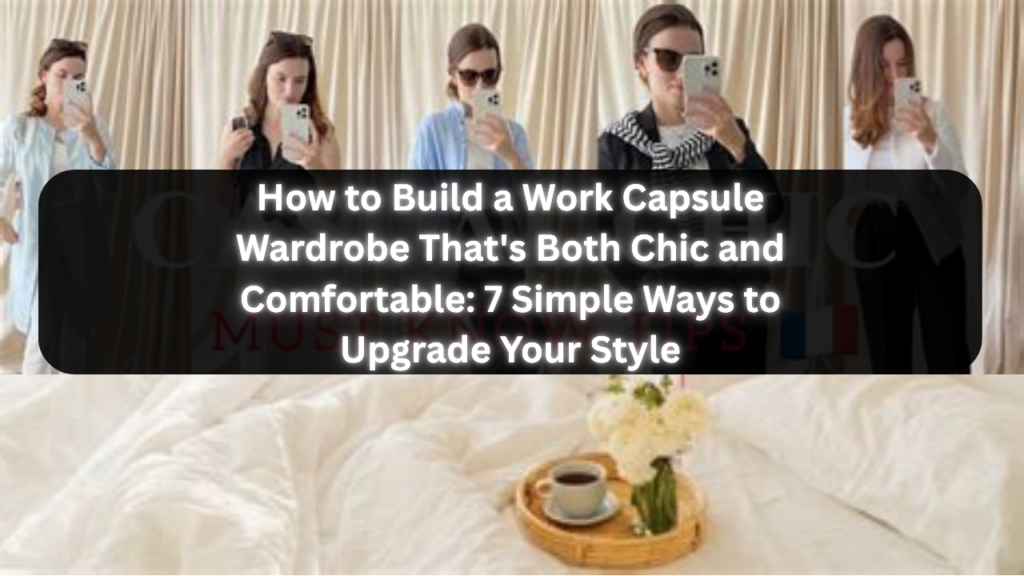

Create a versatile Capsule Wardrobe with comfortable office essentials and effortless Minimalist Style. Discover 7 practical ways to simplify workwear.
A Better Way to Get Dressed for Work
Getting ready for work shouldn’t begin with a closet full of clothes and the feeling that you have absolutely nothing to wear. If choosing an outfit takes too much time, it may be time to rethink your wardrobe. Learning how to build a work capsule wardrobe that’s both chic and comfortable can help you simplify your mornings without giving up your personal style.
The secret isn’t buying more clothing. It’s choosing pieces that fit well, feel good throughout the day, and work together in different combinations. With a little planning, even a modest collection of clothing can provide enough variety for an entire workweek.
Whether your workplace has a formal dress code or a relaxed atmosphere, these seven practical ideas will help you create a wardrobe that feels polished, functional, and uniquely yours.
1. Design Your Wardrobe Around Your Real Workday
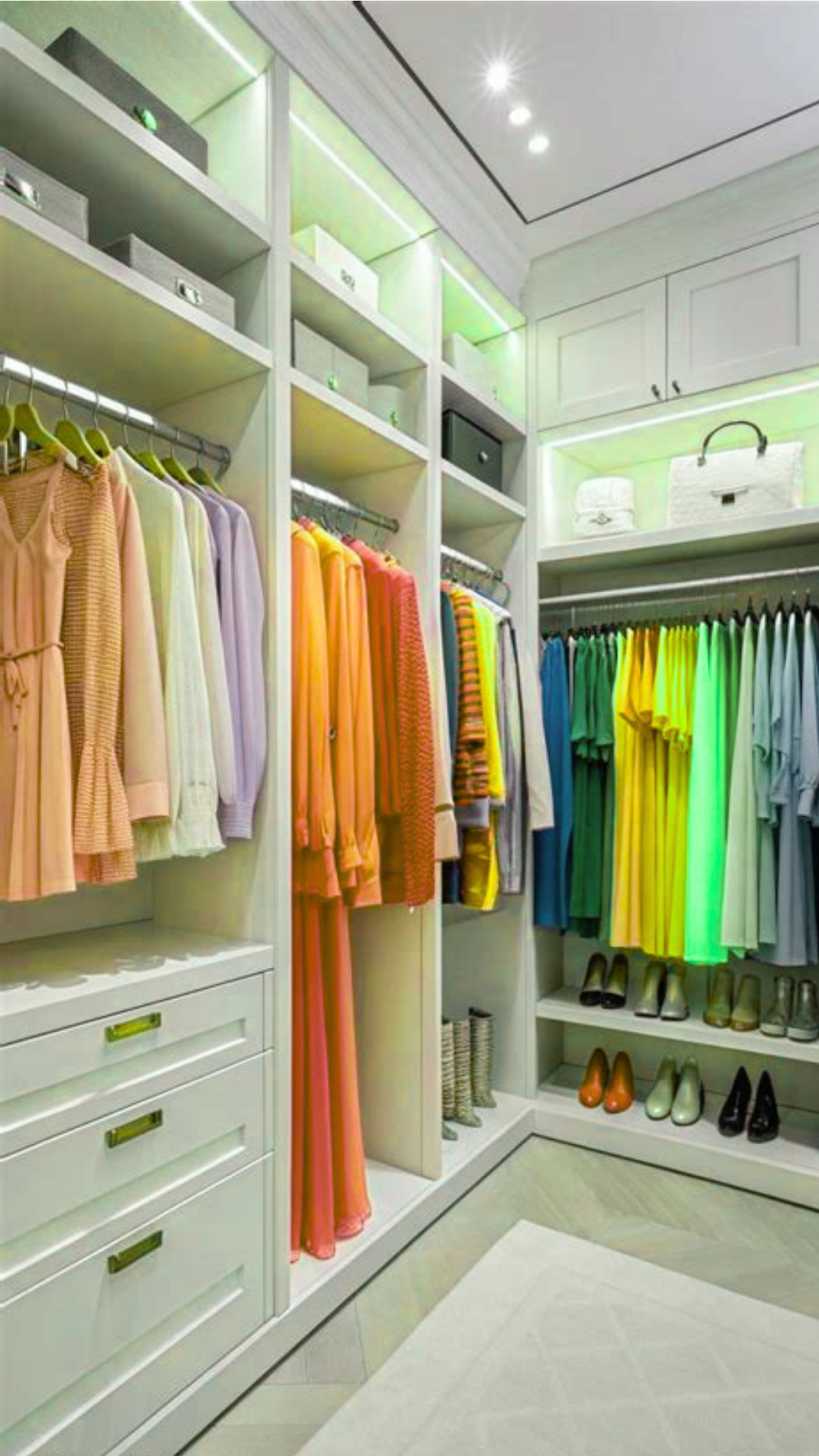
Before looking at fashion trends or adding anything to your shopping list, consider how you actually spend your working hours. Your clothes should support your routine rather than make it more complicated.
For example, someone who attends formal meetings may need structured jackets and tailored trousers. Someone working in a casual office may get more use from soft knit tops, comfortable pants, and lightweight layers.
Start with a quick wardrobe review. Take everything out of your closet and consider which items you wear often, which pieces remain untouched, and what makes you feel confident.
Create three simple categories:
- Everyday favorites: Clothes that fit well and suit your current lifestyle.
- Potential wardrobe additions: Pieces that could become useful after a small alteration or a different styling approach.
- Unnecessary items: Clothes that no longer fit, feel comfortable, or match your work requirements.
Use this review to develop a realistic shopping list instead of purchasing items simply because they’re fashionable.
Save-worthy tip: Your most useful clothing collection is the one built around your daily routine, not someone else’s Instagram outfit.
2. Select Colors That Work Beautifully Together
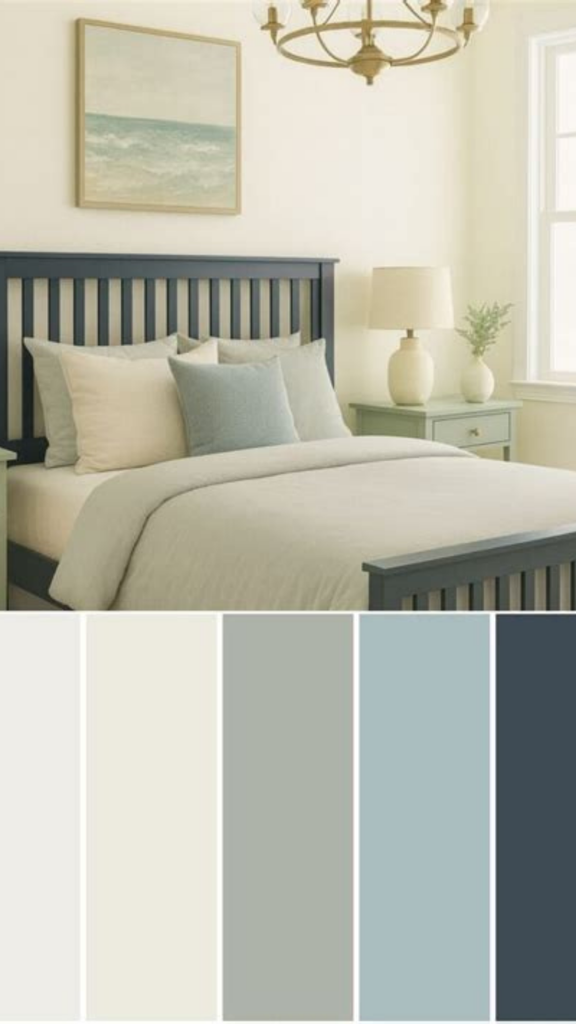
A coordinated color palette makes getting dressed much easier because fewer pieces compete with one another. It also helps you create multiple outfits without filling your closet with similar clothing.
For versatile neutral office outfits, consider starting with two dependable base colors and adding a few shades you genuinely enjoy wearing.
Black, navy, charcoal, cream, and beige are popular choices because they can complement many other colors. You could then introduce dusty blue, olive green, burgundy, or muted pink to give your wardrobe a little individuality.
Imagine owning navy trousers, a cream blouse, and a beige cardigan. Each piece looks appropriate on its own, but they can also be combined in different ways. Adding a dusty-blue shirt creates another option without requiring an entirely new outfit.
Try these combinations:
- Charcoal trousers, a white top, and a soft-colored cardigan.
- Beige pants, a black blouse, and a simple belt.
- Navy trousers, a cream knit top, and understated jewelry.
- A neutral dress with a jacket in your favorite accent color.
You don’t need to avoid prints or bright colors. Just make sure new purchases coordinate with several items you already own.
Save-worthy tip: Before purchasing a garment, picture three outfits you could create with it. If that feels difficult, consider whether you really need it.
3. Choose Essentials That Earn Their Place in Your Closet
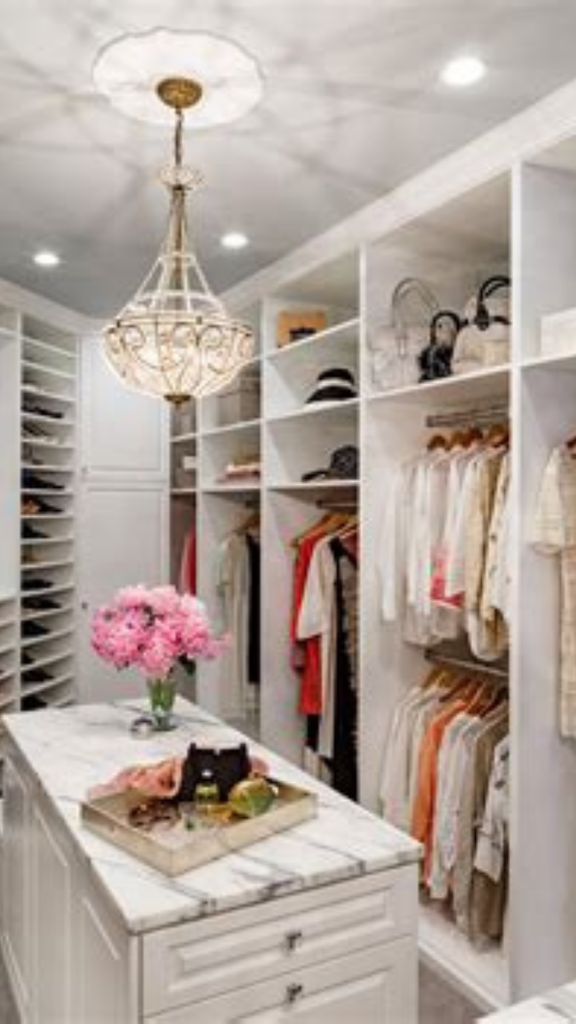
A practical wardrobe relies on versatile pieces rather than a large number of single-purpose outfits. The right workwear staples can be dressed up for important meetings or styled casually for an ordinary day.
Use the following collection as inspiration, adjusting it to suit your budget, climate, and dress code:
- Two pairs of well-fitting trousers in different colors.
- Three or four tops that work with both pairs of trousers.
- One smart blazer or structured jacket.
- One lightweight cardigan for layering.
- One dress or skirt, if you enjoy wearing them.
- One additional jacket suitable for your local weather.
- Two pairs of comfortable, work-appropriate shoes.
These are starting points, not strict rules. You might need more shirts if your workweek requires formal clothing, or fewer items if you can comfortably repeat outfits.
Pay particular attention to fabric and fit. Breathable cotton blends may be useful in warm weather, while stretch fabrics can make long periods of sitting more comfortable. Check washing instructions too; clothes that require constant special care may not suit a busy schedule.
When shopping, think about cost per wear. An affordable garment that you use several times a week may be more valuable than an expensive item that stays in your closet.
Save-worthy tip: Build your collection gradually. A few excellent everyday pieces are more useful than a closet filled with clothes you rarely reach for.
4. Create Repeatable Outfit Combinations

You don’t have to invent a completely new look every morning. A few reliable office outfit formulas can help you dress quickly while keeping your appearance consistent and polished.
The idea is simple: find combinations that suit you, then reuse them with small variations.
Here are five combinations worth trying:
The polished everyday look: Straight-leg trousers, a simple blouse, a blazer, and loafers.
The relaxed professional look: Comfortable ankle-length pants, a fine-knit top, and a lightweight cardigan.
The effortless dress look: A work-appropriate dress, understated jewelry, and comfortable flats.
The smart layering look: A fitted shirt, tailored trousers, and a structured jacket.
The casual Friday look: Dark jeans where permitted, a crisp top, and clean, minimalist footwear.
Keep the combinations that make you feel comfortable and confident. There’s no need to follow every formula if it doesn’t suit your workplace or body shape.
A useful trick is to photograph complete outfits before wearing them. Save your favorites in a phone album, making sure each photograph shows the shoes and accessories too.
By creating a small collection of ready-made looks, you’ll spend less time deciding and more time getting on with your day.
Save-worthy tip: Plan three to five outfits in advance and keep the photographs together. Your own outfit gallery can become more useful than a folder of inspiration images you never recreate.
5. Find Shoes That Support Your Day

A beautiful outfit is much easier to enjoy when your shoes feel comfortable. Since work often involves walking, commuting, or standing for long periods, footwear deserves as much attention as clothing.
The best comfortable work shoes depend on where you work and how you travel. Loafers can give trousers a refined finish, ballet flats can provide a simple everyday option, and low block heels may suit workplaces where a slightly formal appearance is expected.
For casual offices, understated sneakers might also be appropriate.
Before buying, check a few practical details:
- Your toes should have sufficient room.
- The shoes should feel secure without rubbing or pinching.
- The soles should suit your usual walking conditions.
- The design should coordinate with several outfits.
- The material should be appropriate for your climate and routine.
Consider owning one pair for everyday wear and another for occasions that require a more formal appearance. This can be more practical than purchasing a different pair for every outfit.
Always try shoes on and walk around before deciding. A stylish design isn’t a good investment if you cannot comfortably wear it through a normal working day.
Save-worthy tip: Choose footwear for the life you actually lead. Comfort, versatility, and a good fit are essential parts of personal style.
6. Use Accessories to Give Simple Outfits Character
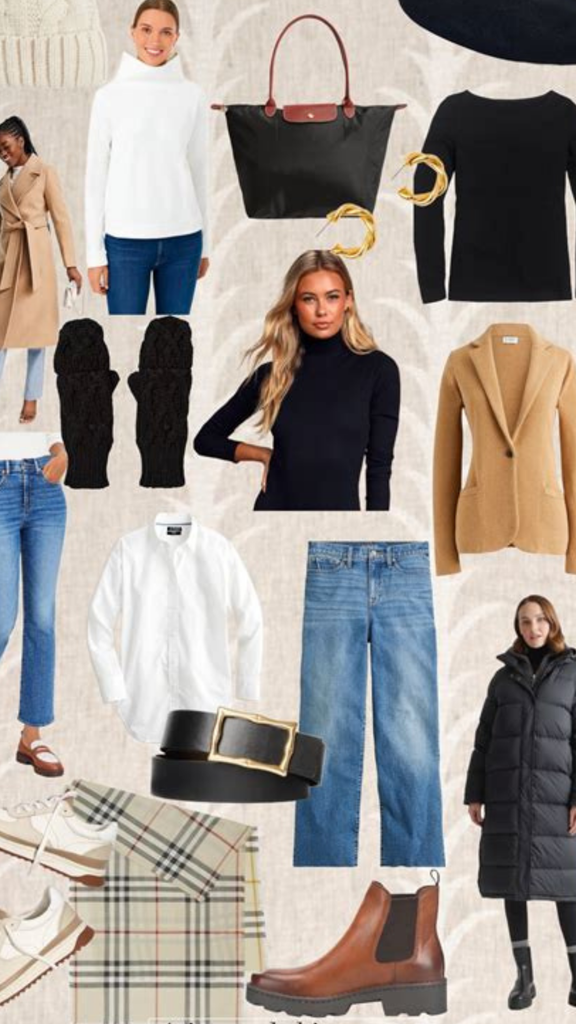
A capsule wardrobe doesn’t have to look repetitive. Small styling choices can completely change the impression of an outfit without requiring additional garments.
Thoughtfully chosen office accessories can help simple clothing feel more personal. Consider a structured handbag, a classic watch, a slim belt, small earrings, or a lightweight scarf.
For example, black trousers and a white shirt can look minimal and professional with loafers and a simple watch. The same outfit might feel softer with a scarf and ballet flats.
Pay attention to balance. When your clothing includes a noticeable print or a bright shade, understated accessories can keep the overall look harmonious. When your outfit is neutral, one colorful or textured accessory can add visual interest.
You also don’t need to purchase every accessory at once. Begin with the items you reach for most frequently and add others only when they offer something different.
The goal is to make your existing clothes more flexible rather than create another collection of items that rarely get used.
Save-worthy tip: Choose one detail to highlight in each outfit. A beautiful bag, interesting earrings, or a well-chosen belt can make a simple combination feel complete.
7. Refresh Your Collection Without Starting Over
Your wardrobe should change with your needs. Weather, workplace expectations, and personal preferences can all influence what you wear, but seasonal updates don’t have to mean a complete shopping trip.
A flexible seasonal capsule wardrobe makes use of pieces you already own and adds only what is missing.
In warmer weather, lightweight trousers, breathable shirts, and loose-fitting layers may become your most useful options. During cooler periods, you can introduce knitwear, long-sleeved tops, or a suitable jacket.
If your office uses strong air-conditioning, a lightweight cardigan may be useful even when the weather outside is warm.
At the beginning of a new season, review your collection and ask yourself:
- Which pieces have I worn most often?
- Are there clothes that need repairing or replacing?
- Can my current items create outfits suitable for the upcoming weather?
- Is there a genuine gap that prevents me from combining my clothes easily?
Use the answers to guide your next purchase. If everything you need is already available, there’s no reason to shop simply because a new season has arrived.
You can also keep a note on your phone of items you need and wait before purchasing them. This gives you time to decide whether a potential addition will genuinely improve your wardrobe.
Save-worthy tip: Review before you shop. A small, intentional update can make your entire collection feel fresh without unnecessary spending.
Final Thoughts: Make Getting Dressed the Easiest Part of Your Day
A well-planned work capsule wardrobe is about more than having coordinated clothing. It’s about creating a routine that saves time, reduces unnecessary purchases, and allows you to feel comfortable in your own style.
Begin with the clothes you already love, build around a practical color palette, and choose versatile pieces that suit your everyday responsibilities. Then make your collection work harder with repeatable outfit combinations, comfortable footwear, and a few personal accessories.
Most importantly, don’t measure success by the number of items in your closet. Measure it by how easily those items fit your life.
You can create a stylish work wardrobe on a realistic budget, one thoughtful decision at a time.
You Might Like The Work Capsule Wardrobe: Mix-and-Match Office Outfits for Every Day of the Week
The Career Woman’s Capsule Wardrobe: 15 Pieces for Polished Work StyleThe Work Capsule Wardrobe: Professional Style Without the Morning Stress
CTA
Let’s talk everyday workwear! What is the one clothing item you rely on most when putting together a work outfit: tailored trousers, a classic blouse, or a comfortable blazer? Share your favorite in the comments. Save this guide on Pinterest so you can revisit these ideas the next time you’re organizing your closet, and explore more minimalist fashion inspiration for your everyday style.